
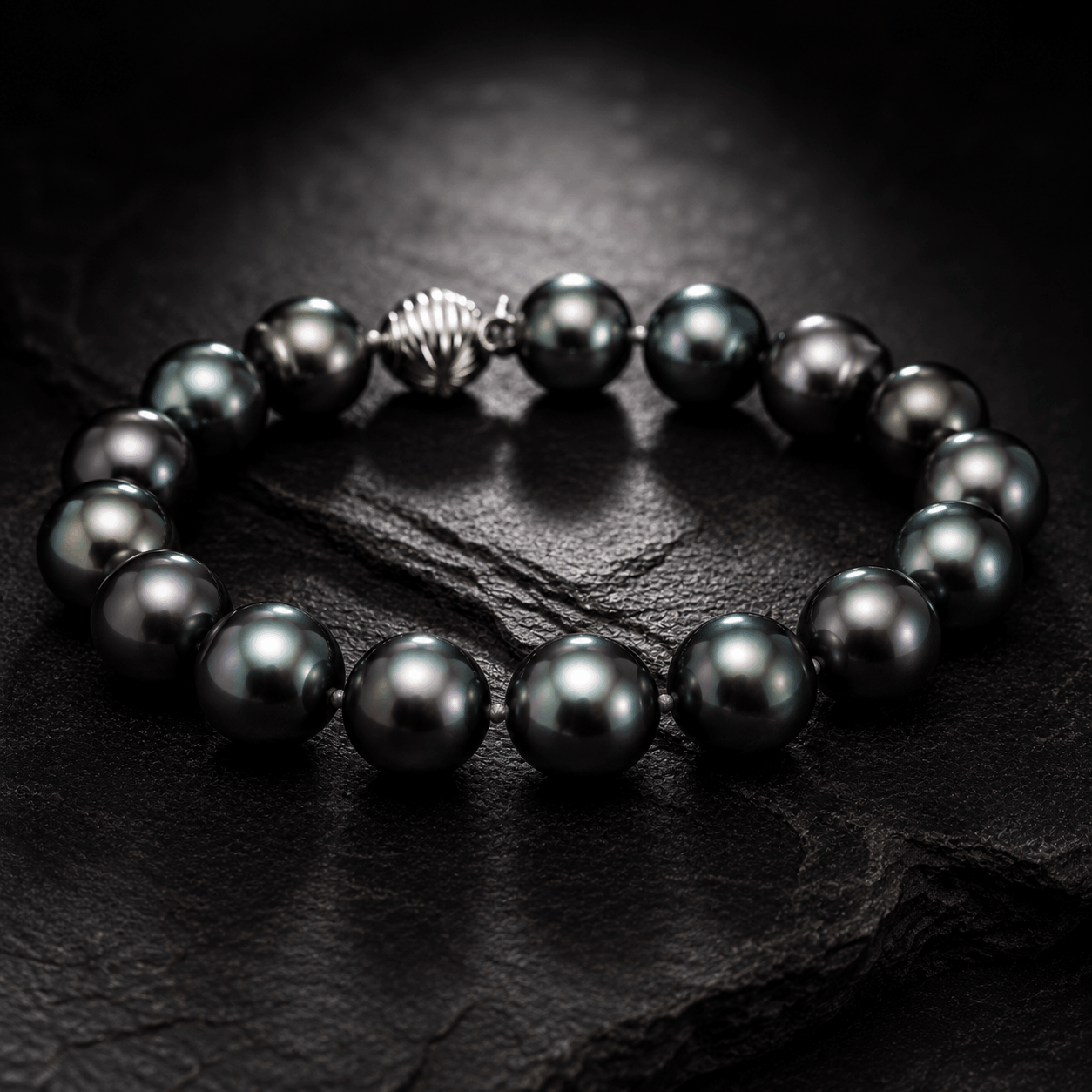
Rooftop dinner last summer. Woman across the table. Single strand of dark pearls on her wrist. Nothing else. No rings. No bangles. Just those pearls against bare skin. Three people asked about them before dessert arrived. That’s the effect a Tahitian pearl bracelet creates — not because it’s loud, but because it isn’t. So here’s everything worth knowing before you buy one.
What Makes a Tahitian Pearl Bracelet Different
A Tahitian pearl bracelet isn’t just a dark pearl bracelet. It’s something genuinely specific. The pearls come from the Pinctada margaritifera oyster — the black-lipped oyster farmed in the lagoons and atolls of French Polynesia. And that color is completely natural. No dye. No treatment. Just the oyster producing what it naturally creates in those specific waters.
That natural dark color combined with the extraordinary overtone range — peacock, aubergine, cherry, silver-green — is what separates a genuine Tahitian cultured pearl bracelet from everything else. Plus the nacre is thick. Saltwater cultured pearls from the Pinctada margaritifera typically carry 1.5mm to 3mm of nacre — significantly more than most freshwater alternatives. So the luster is deeper. More dimensional. And the pearl genuinely ages better over years of wear.
Bracelet Styles — Which One Works for You
The style of the bracelet affects how the pearls read on the wrist just as much as the pearl quality does. So it’s worth understanding the main options before committing to anything.
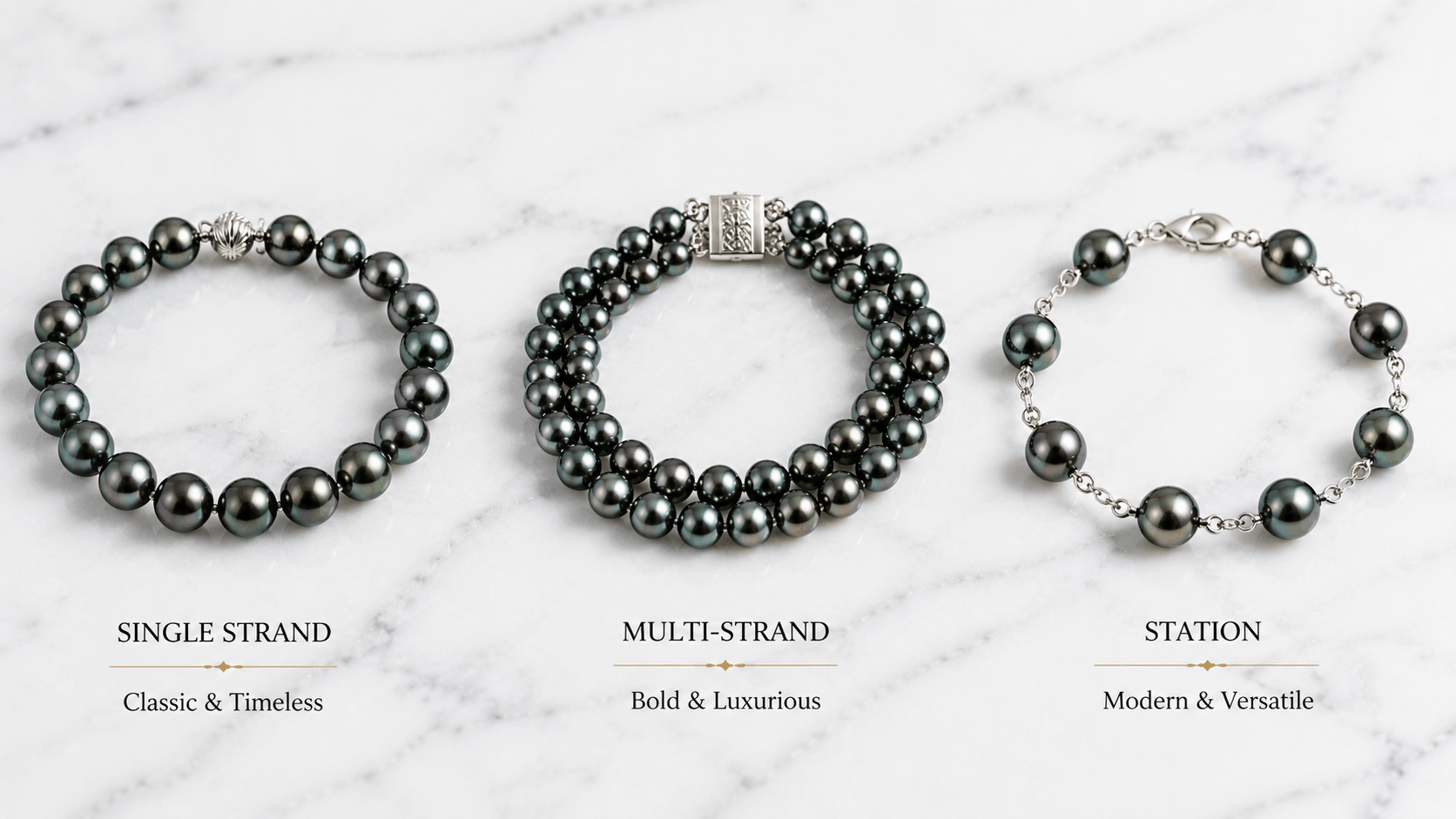
Single strand is the classic. A continuous line of matched Tahitian pearls on silk thread with a quality clasp — clean, elegant and the most timeless of all Tahitian pearl bracelet styles. Works alone or layered with other pieces. Multi-strand bracelets, on the other hand, create more visual weight. Two or three strands of smaller pearls read as more modern and fashion-forward than one heavy single strand. And station bracelets — individual Tahitian pearls set at intervals along a delicate chain — offer a lighter, more contemporary look. Less pearl, more metal. But the Tahitian presence is still there. Works well for buyers who want that dark color without a full strand commitment.
Colors and Overtones of a Tahitian Pearl Bracelet
Color is honestly where a Tahitian pearl bracelet earns its reputation. And the color story is more complex and interesting than most buyers expect going in.
The body color of a Tahitian pearl runs from light grey through silver to near-black. But body color is only part of what you see. The overtone — that iridescent secondary color sitting over the base — is what gives each pearl its distinctive character. Peacock is the most prized. A green-gold iridescence over dark grey that shifts with the light in ways that are genuinely hard to describe. Aubergine runs deep purple over dark and reads as extraordinarily luxurious. Cherry adds a reddish-rose warmth — rarer and particularly beautiful against warm skin tones. Silver-green is the most classic and widely available. And pistachio — a yellow-green overtone — is one of the more unusual and sought-after colors right now.
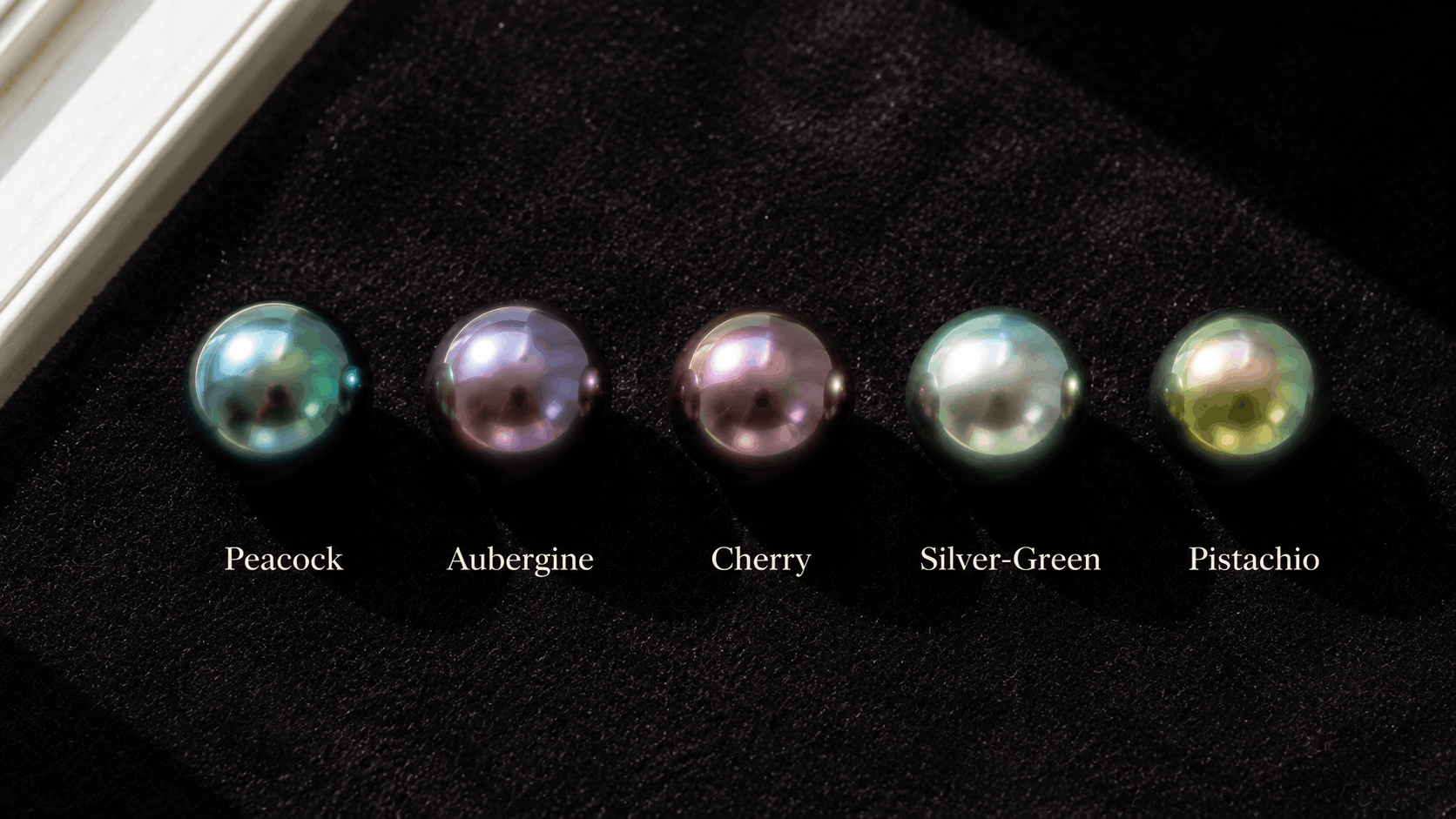
For a Tahitian cultured pearl bracelet, the overtone of the strand should be consistent — all peacock, all aubergine or a deliberately mixed combination. A randomly mixed strand without intentional matching reads as lower grade. So always check overtone consistency when evaluating. And always do it under natural daylight — because indoor lighting flattens color and hides exactly what you need to see.
How to Choose the Right Size
Pearl size affects both the visual weight of the piece and the price significantly. So it’s worth thinking about before you shop rather than after. Tahitian pearls in bracelet use typically run from 8mm to 13mm. Smaller at 8mm to 9mm creates a refined, delicate look — more pearls per inch, lighter on the wrist. Good for buyers who prefer understated jewelry or plan to layer the bracelet with other pieces.
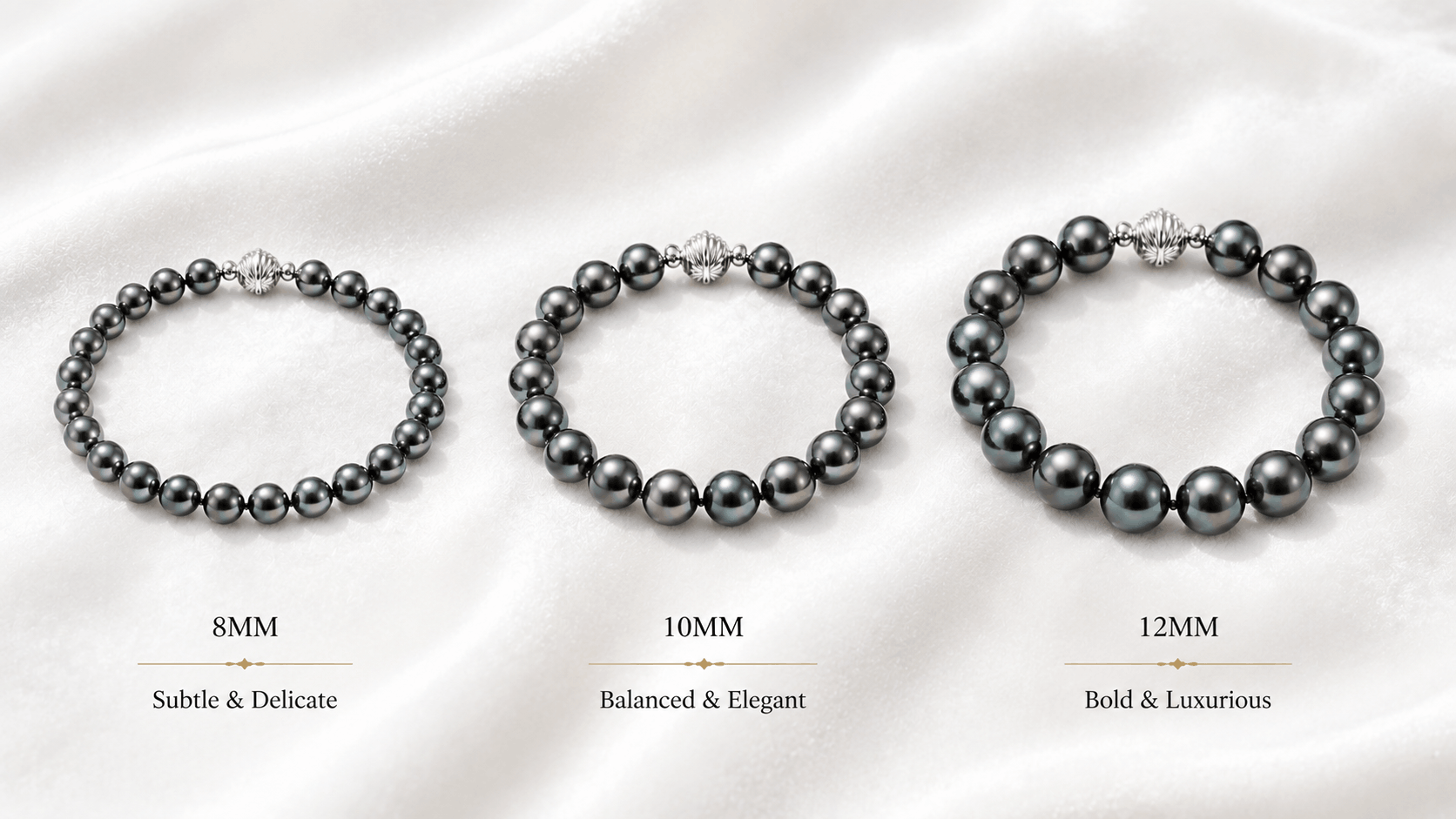
Mid-range at 10mm to 11mm is the practical sweet spot. Substantial enough to carry visual weight as a standalone piece. But refined enough for everyday wear without feeling overdressed. Larger sizes at 12mm to 13mm are genuinely dramatic — a single strand of 12mm matched Tahitian pearls is a statement that doesn’t need anything else alongside it. Best for buyers who specifically want the bracelet to be noticed. And bracelet length matters too — standard runs 7 to 7.5 inches for most adult wrists. So always measure before ordering online and check whether the retailer offers sizing adjustments.
Tahitian Pearl Bracelet Quality — What to Check
At this price point, knowing what to evaluate protects your purchase considerably. Luster is the first and most important factor. A quality Tahitian pearl bracelet should have deep mirror-like luster across every pearl — not just the ones visible from the top. So hold it up and look from multiple angles under natural light. Any pearl that looks dull compared to its neighbors will only become more noticeable with wear. Don’t accept inconsistency here.
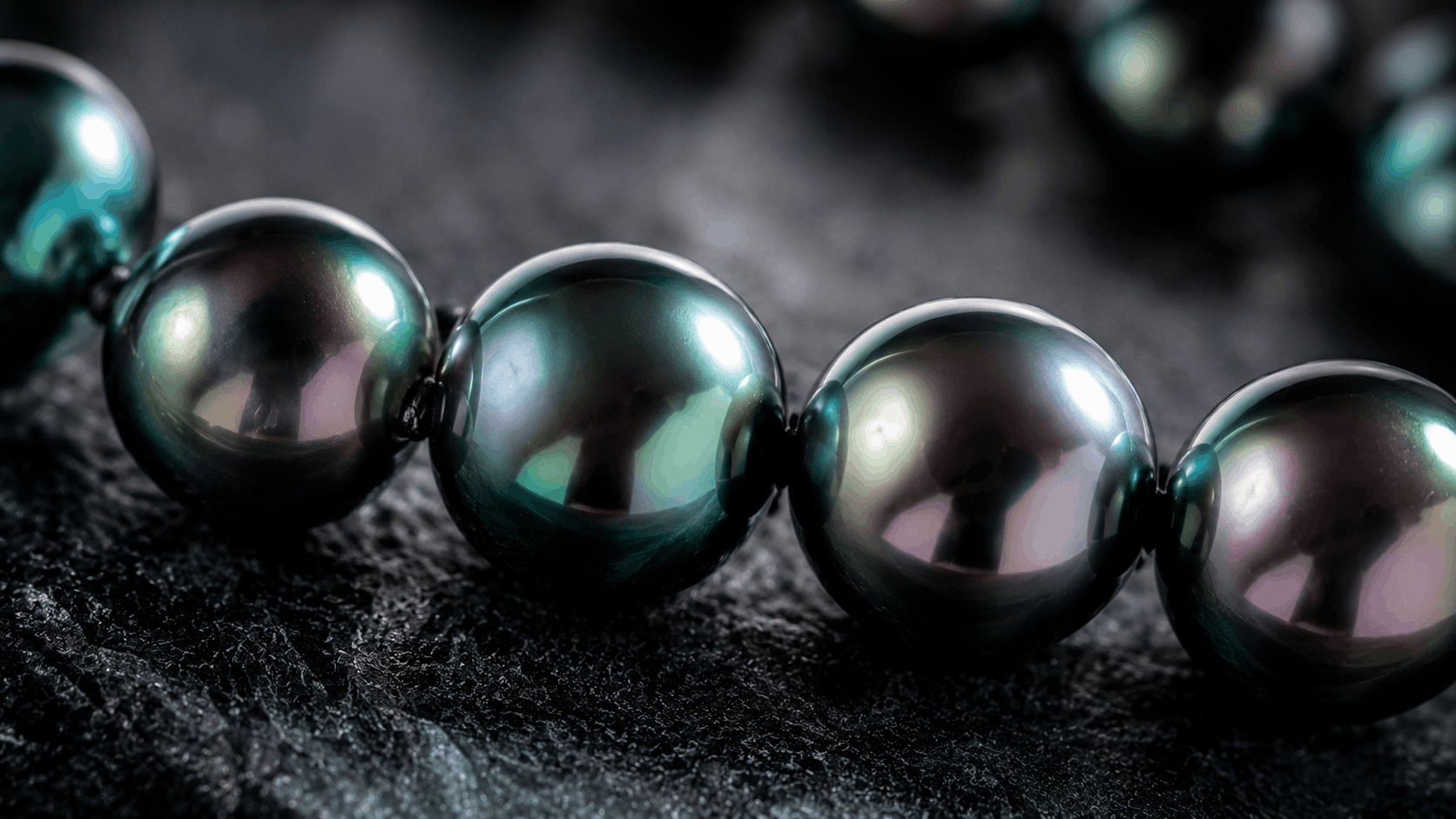
Surface quality comes next. AAA grade means near-flawless surface across every pearl. AA has minor marks visible only under close inspection — still genuinely beautiful in wear. But A grade starts to compromise the overall look of a strand, particularly in a bracelet where the pearls are in constant close view. And check the clasp too. A genuine quality Tahitian pearl bracelet deserves a solid clasp — sterling silver, gold-filled or solid gold. Because a lightweight clasp on an otherwise quality strand is both a mismatch and a security risk.
Tahiti Pearl vs Other Pearl Bracelets
How does a Tahitian pearl bracelet sit against other options? Against freshwater — freshwater offers excellent value and a wide color range at significantly lower prices. But the nacre is thinner, the pearls are smaller for equivalent price and that specific deep dark color with natural overtones simply isn’t available. So for anyone who wants the dark dramatic look, freshwater isn’t a substitute.
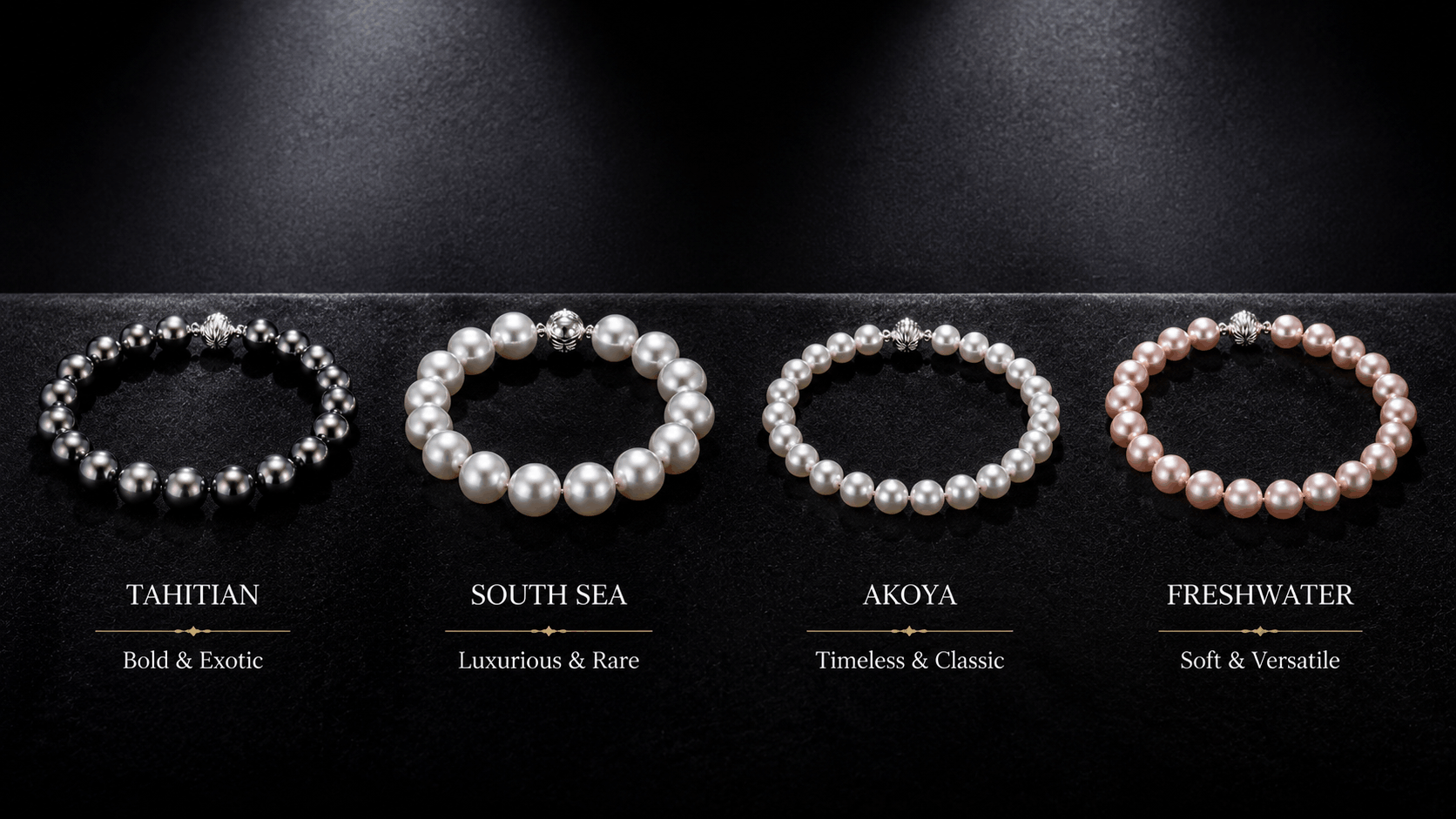
Against South Sea pearl bracelets — South Sea runs larger, rarer and more expensive. Different size category. Different color story entirely — white and golden rather than dark. And against Akoya pearl bracelets — Akoya offers classic white with exceptional roundness at a different price point. But the color and character are completely different from a Tahitian piece. The Tahitian bracelet occupies its own space. Nothing else replicates it.
How to Style Your Tahitian Pearl Bracelet
The approach that works best is simpler than most people expect. Wear it alone first. A single strand of dark Tahitian pearls against bare skin — especially in summer — is one of those combinations that doesn’t need anything alongside it. The contrast between the dark pearl and warm skin is enough on its own. Adding more pieces dilutes rather than enhances.
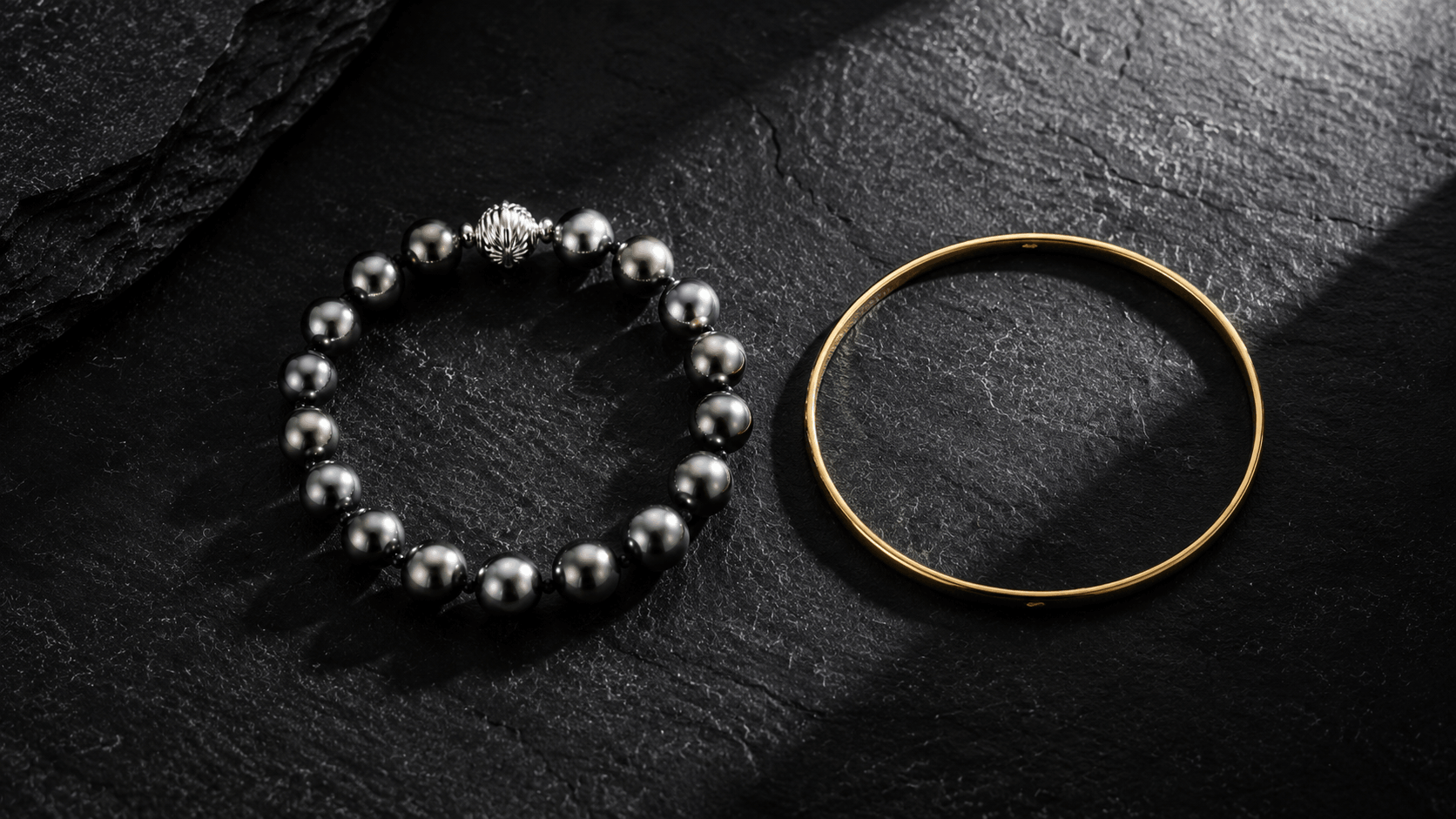
For layering — a Tahitian pearl bracelet works beautifully beside a simple thin gold bangle. The contrast between the organic dark pearl and the hard geometry of metal creates exactly the kind of tension that makes a wrist stack genuinely interesting. Keep everything else minimal. And for outfit pairing — Tahitian pearls work best against clean simple backgrounds. White linen. Navy silk. A plain cashmere sleeve. The complex color needs clear space to read properly. So browse the full pearl bracelet collection at PearlsOnly and find the Tahitian piece that suits exactly how you want to wear it.
